




- Joined
- Oct 12, 2023
- Posts
- 187
- Reaction score
- 58
To stand out from competitors online, you need to understand what they offer and how they build strategies, and attract audiences. Competitive analysis using specialized services and tools could provide information on your competitors’ performance, including search traffic, advertising campaigns, brand mentions and social media activity.
Companies that systematically utilize competitive analytics improve advertising efficiency, plan content more accurately, and adapt strategies more quickly.
When choosing tools, what to pay attention to depends on your needs:
We’ve compiled five popular tools to help you deeply understand your competitors online:
Source: SimilarWeb
What it’s for: Analyzing website traffic, acquisition sources, and audience behavior.
Best for: Companies that need to understand the market landscape, evaluate competitor traffic, and identify growth opportunities in digital channels.
Payment options: Free plan, paid plans.
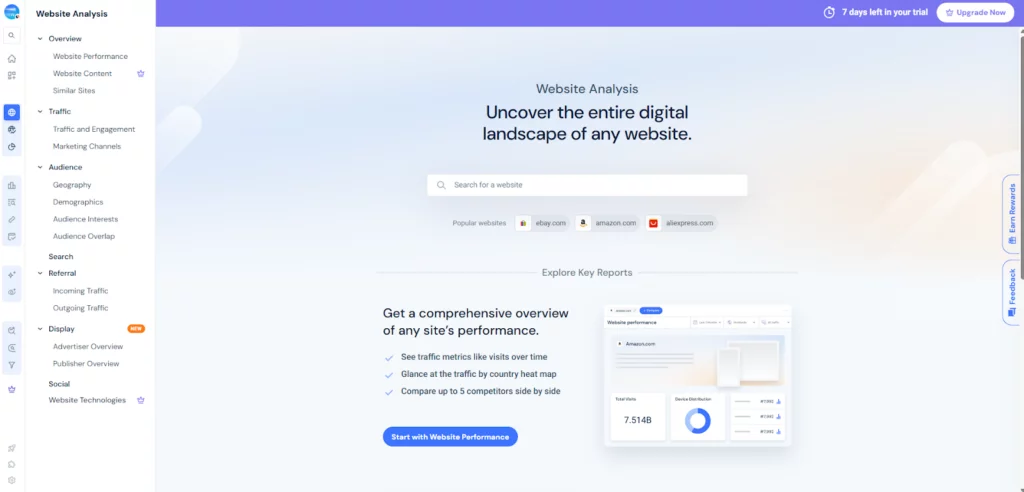
SimilarWeb helps you compare your website to those of competitors, identify the strengths and weaknesses in your strategy and find areas for improvement. As you typically won’t have access to your competitors’ Google Analytics, Similarweb becomes one of the most trusted sources to use as a proxy for understanding competitors’ traffic trends. It uses a large and verified clickstream database compiled from multiple sources, providing a realistic picture of how traffic is distributed across websites and channels. The service helps you compare brand growth dynamics, identify the strengths of other companies’ strategies, and identify growth opportunities based on user behavior and market trends.
Key features:
Disadvantages:
Source: SEMrush
What it’s for: Analyzing competitors’ search visibility, advertising tactics, keyword strategies, and overall digital performance.
Best for: Businesses looking to improve search engine visibility, monitor competitor strategies, and build effective data-driven marketing campaigns.
Payment options: Free trial period (paid plan afterward).
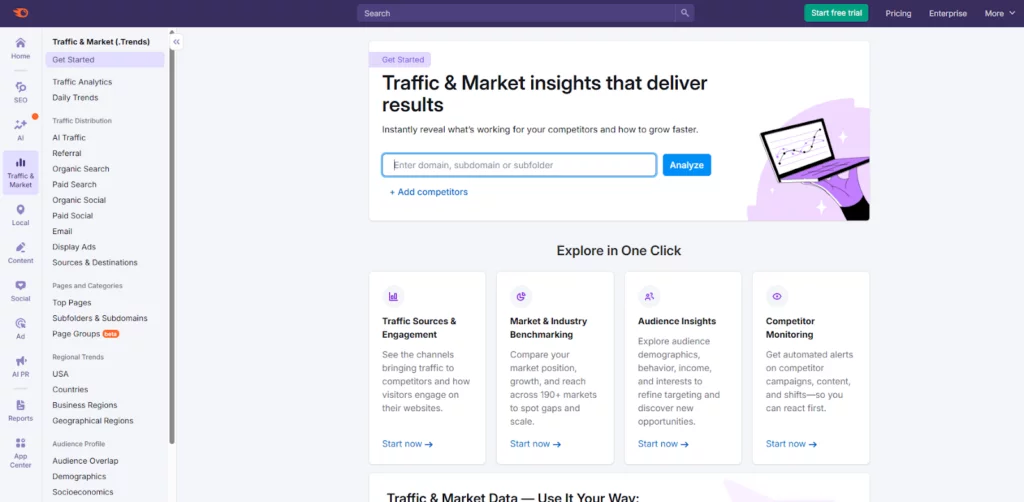
SEMrush allows online visibility management, content marketing analysis, and research of competitors’ strategies. It provides comprehensive information about which keywords competitors use, which ads they run, and which pages bring them the most traffic.
Key features:
Disadvantages:
Source: Ahrefs
What it’s for: In-depth SEO analysis, link profile and content analysis.
Best for: Companies that need to study competitors’ content and link strategies, identify growth opportunities and improve SEO efficiency.
Payment options: Paid plans only.
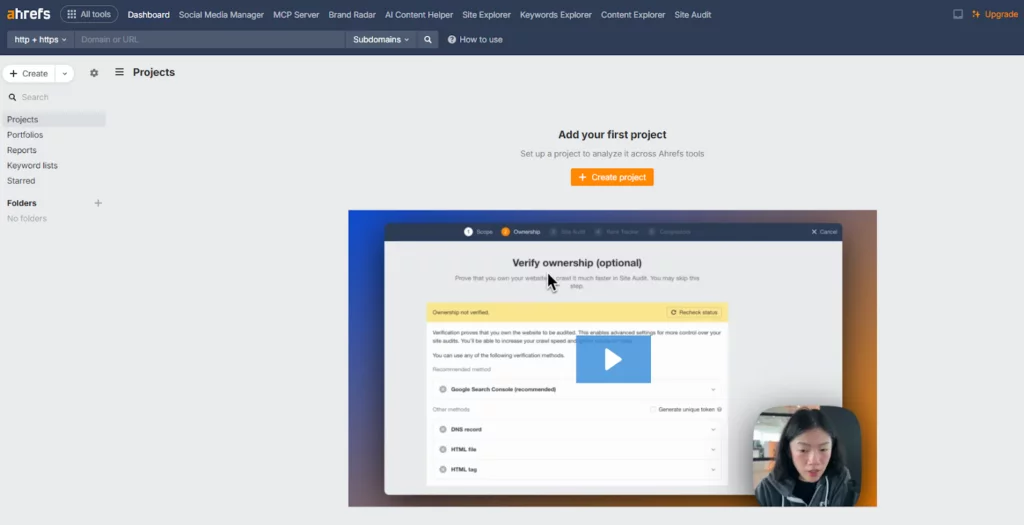
Ahrefs allows you to quickly identify the strengths of other companies’ strategies, find areas where you can overtake them and understand what content formats are really effective in your industry. Accurate indexing and detailed reporting help you build a competitive SEO strategy based on data rather than guesswork.
Key features:
Disadvantages:
Source: BuzzSumo
What it’s for: Analyze content, social trends, and publication popularity.
Best for: Businesses who want to identify popular content, analyze competitor strategies, and find ideas for engaging content.
Payment options: Free trial period (paid plan afterward).
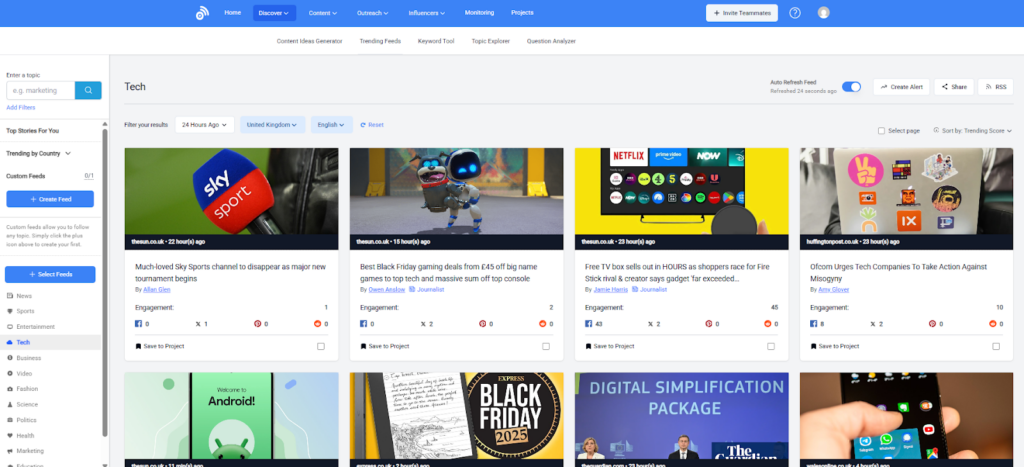
BuzzSumo helps to study competitors’ content strategies and identify the most viral topics within your niche. With AI integration, it helps you discover newsworthy material, monitor mentions, analyse audience responses and develop effective PR and content strategies. This is one of the quickest ways to understand market reaction and how competitors attract attention.
Key features:
Disadvantages:
Source: Brand24
What it’s for: Monitoring brand mentions on social media, media, and blogs.
Best for: Companies that need to track audience reactions to competitors, analyze reputational risks, and quickly respond to changes in the information landscape.
Payment options: Free trial period (paid plan afterward).
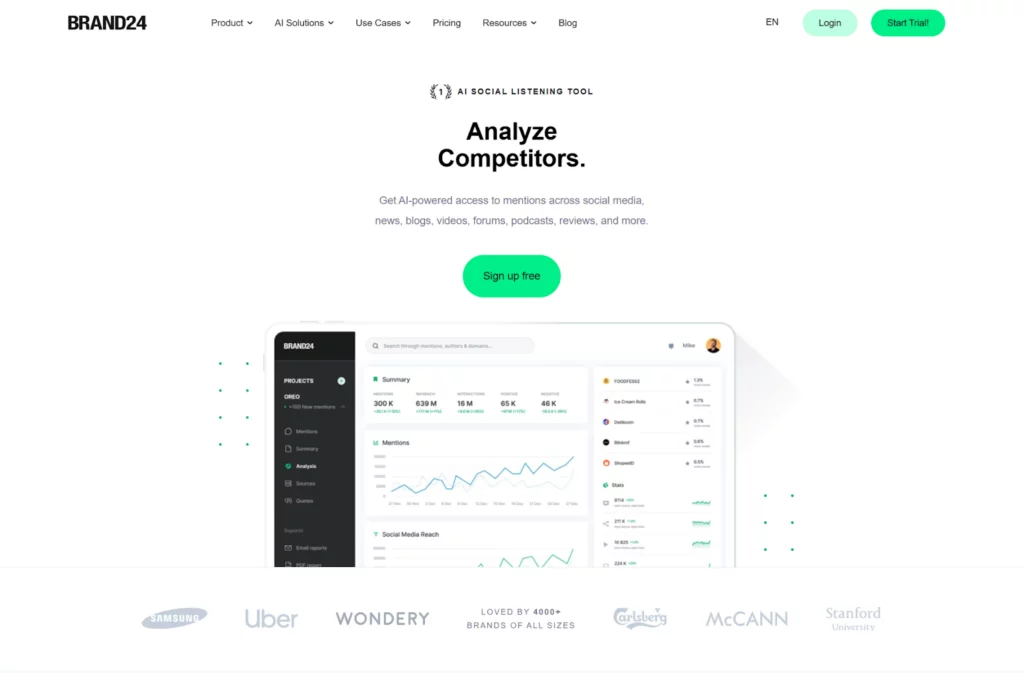
Brand24 shows how competitors communicate, what topics they promote and what audience reaction their initiatives evokes. Using this service you can identify successful approaches of other companies, assess their market presence and formulate their own promotion strategies on the basis of real market data rather than guesswork.
Key features:
Disadvantages:
Competitor analysis can help you understand where to develop your business, what’s working in your niche, and what potential clients want to see. Each platform offers unique features that are best suited for each business needs. Choosing the right tool depends on your company’s goals and the areas of analysis, but you can also combine several services to ensure a more comprehensive understanding of the competitive landscape.
It depends on your needs. If you need to study traffic channels and market share, SimilarWeb is suitable. For SEO, PPC, and keyword analysis, it’s better to use SEMrush or Ahrefs. If it’s more important to understand which topics are working for competitors in content and social media, consider BuzzSumo. For assessing reputation, audience reaction, and monitoring mentions, Brand24 is suitable. If you need comprehensive monitoring of all areas, it’s better to combine two or three services.
Analytics platforms use their own databases, algorithms, and crawlers, so the figures are estimates. Trends, dynamics, and relative comparisons of competitors are usually accurate enough to use in marketing and strategy. However, some figures such as traffic or advertising budgets, may differ from actual values. It’s important to consider this context and treat the data as benchmarks, not as definitive facts.
In most cases, doing this once a month is sufficient to identify key changes in SEO, content, and competitor activity. A more in-depth strategy review is usually performed quarterly. The exception is reputation monitoring, such as mentions and audience reactions, which is best monitored daily or at least several times a week to quickly respond to crises.
Yes, most tools work globally. However, market coverage varies across different services. If you operate in international markets, it’s worth considering the coverage of each tool before choosing.
Looking for more tools to power digital success? Visit it.com Domains blog and contact us on social media.
Continue reading at the it.com Domains blog...
Companies that systematically utilize competitive analytics improve advertising efficiency, plan content more accurately, and adapt strategies more quickly.
When choosing tools, what to pay attention to depends on your needs:
- Data sources: which channels (SEO — Search Engine Optimization, social media, advertising, or content) the service analyzes and how comprehensively you’ll see the competitive landscape.
- Deep analytics: how detailed the data will be (a general overview or a breakdown of keywords, links, ads, and audience behavior).
- Interface and usability: either a simple visual dashboard or more advanced reports and in-depth metrics.
- Competitor comparison features: easily compare multiple brands using comparison dashboards, graphs, and exportable reports.
- Integrations and export options: whether the service can be connected to CRM (Customer Relationship Management) and BI (Business Intelligence) systems or export data to PDF and Google Sheets for further work.
We’ve compiled five popular tools to help you deeply understand your competitors online:
SimilarWeb

Source: SimilarWeb
What it’s for: Analyzing website traffic, acquisition sources, and audience behavior.
Best for: Companies that need to understand the market landscape, evaluate competitor traffic, and identify growth opportunities in digital channels.
Payment options: Free plan, paid plans.
SimilarWeb helps you compare your website to those of competitors, identify the strengths and weaknesses in your strategy and find areas for improvement. As you typically won’t have access to your competitors’ Google Analytics, Similarweb becomes one of the most trusted sources to use as a proxy for understanding competitors’ traffic trends. It uses a large and verified clickstream database compiled from multiple sources, providing a realistic picture of how traffic is distributed across websites and channels. The service helps you compare brand growth dynamics, identify the strengths of other companies’ strategies, and identify growth opportunities based on user behavior and market trends.
Key features:
- Traffic Source Breakdown. You can see where exactly your competitors are getting their traffic: organic search, advertising, social media, email newsletters, referral sites, or direct traffic. In addition, the service offers a new function for assessing traffic from LLMs, which allows you to take into account the share of visits coming from AI assistants like ChatGPT.
- Audience Flow Map. You can trace the user journey by learning which websites they use to reach a competitor’s website and which resources they click on after visiting. This helps you identify potential partners, advertising platforms, and user exit points.
- Engagement Metrics. You can evaluate audience engagement using metrics such as average time on site, number of pages viewed per visit, and bounce rate. This data helps you compare audience retention across different players and understand how effectively competitors are managing traffic.
- Market Share and Ad Visibility Overview. The service provides a general picture of competitors’ presence in advertising channels: how actively they advertise, where they appear most often, and how they distribute their efforts across different sources. This helps assess competitive pressure in a niche without delving into detailed advertising data.
- Side-by-Side Competitor Reports. By comparing multiple brands simultaneously, you can quickly assess each company’s market position and identify growth opportunities.
Disadvantages:
- Exact AI traffic figures aren’t available on the free plan.
- Doesn’t analyze content and SEO as deeply as other services.
SEMrush

Source: SEMrush
What it’s for: Analyzing competitors’ search visibility, advertising tactics, keyword strategies, and overall digital performance.
Best for: Businesses looking to improve search engine visibility, monitor competitor strategies, and build effective data-driven marketing campaigns.
Payment options: Free trial period (paid plan afterward).
SEMrush allows online visibility management, content marketing analysis, and research of competitors’ strategies. It provides comprehensive information about which keywords competitors use, which ads they run, and which pages bring them the most traffic.
Key features:
- In-Depth Competitor Keyword Analysis. You can track which keywords your competitors rank for, how much traffic these queries receive, how difficult they are to promote, and which pages drive traffic. The service also evaluates how often competitors appear in Google’s AI Overviews. This helps you understand which queries and pages are included in AI summaries, how user attention is distributed, and which topics offer the highest chance of appearing in new search formats. This analysis allows you to adapt your strategy to future search traffic, not just the classic search results.
- Organic and Paid Traffic Tracking. This feature allows you to track the dynamics of your competitors’ organic and paid traffic and observe growth, decline, seasonality and campaign impact. You can see which positions they’re boosting with SEO and which with advertising, and more accurately predict their strategies, allowing you to adjust your own accordingly.
- Google Ads Ad Intelligence. You can view information about your competitors’ Google Ads ads, including texts, keywords, budgets, frequency, and launch history. This helps you analyze their advertising tactics, save the best ads, and build your own campaigns based on successful examples.
- Competitor Map and Keyword Overlap. The service visualizes the overlap of keywords between brands, revealing who your real competitors are in search results. The map helps you assess where your company is underperforming and which search niches you can occupy most quickly.
- Advanced Backlink Analytics. You can study detailed data on your competitors’ link profiles, including who links to them, which sites give them the most SEO value, which links they gain most often, and which they lose. This helps you develop your own link building strategy based on already tested patterns.
Disadvantages:
- The cost is higher than in other services.
- The interface can be complex for beginners.
Ahrefs

Source: Ahrefs
What it’s for: In-depth SEO analysis, link profile and content analysis.
Best for: Companies that need to study competitors’ content and link strategies, identify growth opportunities and improve SEO efficiency.
Payment options: Paid plans only.
Ahrefs allows you to quickly identify the strengths of other companies’ strategies, find areas where you can overtake them and understand what content formats are really effective in your industry. Accurate indexing and detailed reporting help you build a competitive SEO strategy based on data rather than guesswork.
Key features:
- High-Fidelity Link Index and Authority Signals. The service provides one of the most accurate link indices on the market, including a deep analysis of the quality of referrers, authority distribution, and link structure of competitors. Using this information, you can build a promotion strategy based on detailed and accurate data about the actual weight of your link profile.
- Site Explorer. This tool lets you view your competitor’s organic traffic, the keywords they rank for, and the pages that generate the most traffic. This helps you improve your strategy by identifying truly effective content and finding potential areas for growth.
- Content Explorer. This tool helps you analyze articles, videos and research that have already become popular in your niche. It helps you build a content strategy aimed at achieving positive results.
- Keyword Difficulty and SERP (Search Engine Results Page) Complexity Analysis. This service calculates an accurate keyword difficulty score based on the quality of websites’ link profiles in search results. This can help you determine which queries are worth pursuing to quickly reach the top, and which will require long-term promotion.
- Position Tracking and Updates Monitoring. You can track changes in website rankings in search results based on criteria such as growth, decline, response to algorithm updates, and the impact of new pages. This is important for analyzing competitor activity and for timely adjustments to your own SEO campaigns.
- Unlinked Brand Mentions Discovery. Service detects brand mentions without an active link back to the website. This is an important feature for digital PR. It allows you to identify missed opportunities to reclaim high-quality links, strengthen your media presence, and build your link profile based on existing publicity.
Disadvantages:
- No free access.
- Limited data on PPC (Pay Per Click) campaigns.
BuzzSumo

Source: BuzzSumo
What it’s for: Analyze content, social trends, and publication popularity.
Best for: Businesses who want to identify popular content, analyze competitor strategies, and find ideas for engaging content.
Payment options: Free trial period (paid plan afterward).
BuzzSumo helps to study competitors’ content strategies and identify the most viral topics within your niche. With AI integration, it helps you discover newsworthy material, monitor mentions, analyse audience responses and develop effective PR and content strategies. This is one of the quickest ways to understand market reaction and how competitors attract attention.
Key features:
- Top-Performing Content Discovery. You can track competitors’ most popular content, such as articles, videos, and research. You can see which topics generate the most reach, interactions, and links, and plan your content strategy based on this.
- Social Engagement Insights. You can analyze competitors’ social media engagement by viewing likes, comments, reposts, and reactions. This helps you understand what content resonates with your competitors’ audiences.
- Influencer Identification. This service helps you find influencers who promote competitors’ content. You can evaluate their reach, topics, and influence to build your own campaigns with relevant authors.
- Content Alerts and Trend Tracking. This service sends notifications about new content, viral topics, and emerging trends. This allows you to quickly respond to market changes and create content that’s relevant right now.
Disadvantages:
- Limited number of searches in the free version.
- Less SEO data than other services.
Brand24

Source: Brand24
What it’s for: Monitoring brand mentions on social media, media, and blogs.
Best for: Companies that need to track audience reactions to competitors, analyze reputational risks, and quickly respond to changes in the information landscape.
Payment options: Free trial period (paid plan afterward).
Brand24 shows how competitors communicate, what topics they promote and what audience reaction their initiatives evokes. Using this service you can identify successful approaches of other companies, assess their market presence and formulate their own promotion strategies on the basis of real market data rather than guesswork.
Key features:
- Real-Time Brand and Competitor Monitoring. You can track mentions of competitors’ companies and products in real time on social media, forums, news, and blogs. This helps you quickly respond to newsworthy events.
- Sentiment Analysis. The platform determines the sentiment of mentions (positive, negative, or neutral). This allows you to assess attitudes toward competitors and their reputational risks.
- Influencer and Source Identification. You can track which authors and platforms generate the bulk of discussions around competitors. This helps you identify influencers and potential promotion channels.
- Sharable Dashboards and Alerts. The service automatically generates reports and sends notifications about important changes: increased negativity, viral posts, new discussions. This helps you quickly adjust your strategy.
Disadvantages:
- Keyword limitation in entry-level plans.
- Limited SEO and PPC data.
Competitor analysis can help you understand where to develop your business, what’s working in your niche, and what potential clients want to see. Each platform offers unique features that are best suited for each business needs. Choosing the right tool depends on your company’s goals and the areas of analysis, but you can also combine several services to ensure a more comprehensive understanding of the competitive landscape.
FAQ
How do I know which competitor research tool is right for my company?
It depends on your needs. If you need to study traffic channels and market share, SimilarWeb is suitable. For SEO, PPC, and keyword analysis, it’s better to use SEMrush or Ahrefs. If it’s more important to understand which topics are working for competitors in content and social media, consider BuzzSumo. For assessing reputation, audience reaction, and monitoring mentions, Brand24 is suitable. If you need comprehensive monitoring of all areas, it’s better to combine two or three services.
How accurate is the data from these services?
Analytics platforms use their own databases, algorithms, and crawlers, so the figures are estimates. Trends, dynamics, and relative comparisons of competitors are usually accurate enough to use in marketing and strategy. However, some figures such as traffic or advertising budgets, may differ from actual values. It’s important to consider this context and treat the data as benchmarks, not as definitive facts.
How often should I conduct competitor analysis?
In most cases, doing this once a month is sufficient to identify key changes in SEO, content, and competitor activity. A more in-depth strategy review is usually performed quarterly. The exception is reputation monitoring, such as mentions and audience reactions, which is best monitored daily or at least several times a week to quickly respond to crises.
Can I analyze international competitors?
Yes, most tools work globally. However, market coverage varies across different services. If you operate in international markets, it’s worth considering the coverage of each tool before choosing.
Looking for more tools to power digital success? Visit it.com Domains blog and contact us on social media.
Continue reading at the it.com Domains blog...

