




- Joined
- Oct 12, 2023
- Posts
- 255
- Reaction score
- 69
According to the domain marketplace Atom, 28% of domain owners fail to keep track of their lease renewal dates, yet doing so is crucial to avoid losing websites, clients, revenue, and online infrastructure. To reduce this risk, many registrars offer an auto-renewal feature that automatically renews a domain before its registration period expires.
When you register a domain name, it isn’t acquired in perpetuity. Instead, it is leased for a period determined by the rules of the domain suffix and the registrar (a platform where domain names in your chosen domain extension can be registered). Most domain extensions allow registration for a period ranging from one year to a maximum of ten. If the owner forgets to renew the domain on time, it isn’t deleted immediately. Typically, the process goes like this:
After a domain’s registration expires, the company’s website, corporate email, CRM (Customer Relationship Management) integrations, and other related services may become inaccessible. Furthermore, a vacated (drop) domain can quickly be purchased by another user or domain investor. To make matters worse, popular expired domains may be auctioned off even before they are permanently removed from the registry.
To avoid these outcomes, most registrars now provide automated domain renewal services. These agents automatically track expiration dates, notify owners in advance, and bill for transactions automatically before registration expires. To minimize the risk of losing the domain due to technical hitches or payment issues, renewals typically occur several days or weeks in advance.
In most cases, the service operates the same way across all registrars:
Once activated, the domain is simply renewed at the registrar’s current rate, and funds are automatically debited from the linked payment method. However, the renewal cost may differ from the initial registration price, especially if the domain was purchased in a sale or at a discount. It’s therefore recommended to review the registrar’s current rates before activating auto-renewal.

Source: Unsplash
In most cases, automatic renewal is a built-in feature of the registrar, so the user doesn't need to look for a separate service to enable it. However, you can register a domain directly through the registry in some domain extensions. In this case, the automatic renewal feature, if available, is configured through the registry account, not the registrar’s. Regardless of where the domain is registered, the operating principle remains the same: after registering a domain, simply log into your registrar’s account control panel, open the settings for the desired domain, and enable the Auto-Renew feature (the name may vary slightly between companies). Typically, you also need to link a valid payment method and, if desired, set up notifications for upcoming renewals.
In practice, choosing a registrar offers convenient automatic renewal terms, a reasonable maintenance fee, and the necessary domain management tools. If necessary, the domain can be transferred to another registrar and use their auto-renew feature.
When choosing a registrar, consider the following aspects:
Choosing the right platform with automatic renewal feature largely depends on the number of domains, budget, security requirements, and additional services needed.
Below are several well-known platforms that support automatic domain renewals. This list is not intended to be a ranking or exhaustive, as similar features are available with many other accredited registrars. These examples will help you better understand how platforms may differ and which registrar type is best for different needs.
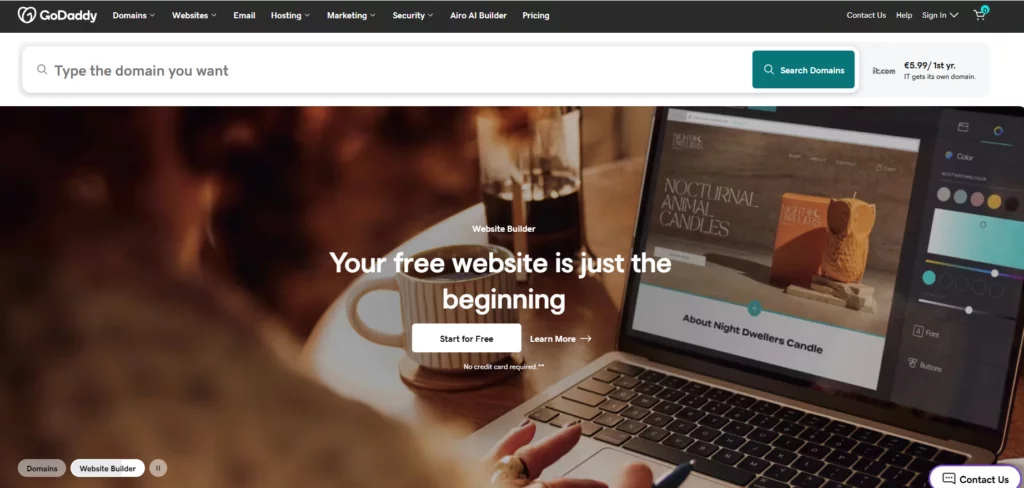
One of the largest domain name registrars in the world. The company serves millions of customers and offers a wide range of services related to the creation and maintenance of online projects.
GoDaddy’s main advantage is its versatility. Users get access not only to domain registration and renewals, but also to hosting, corporate email, SSL certificates, and other services within a single ecosystem. Furthermore, GoDaddy supports a huge number of domain extensions, making the service convenient for international projects.
Best for: Businesses looking for a single service provider.
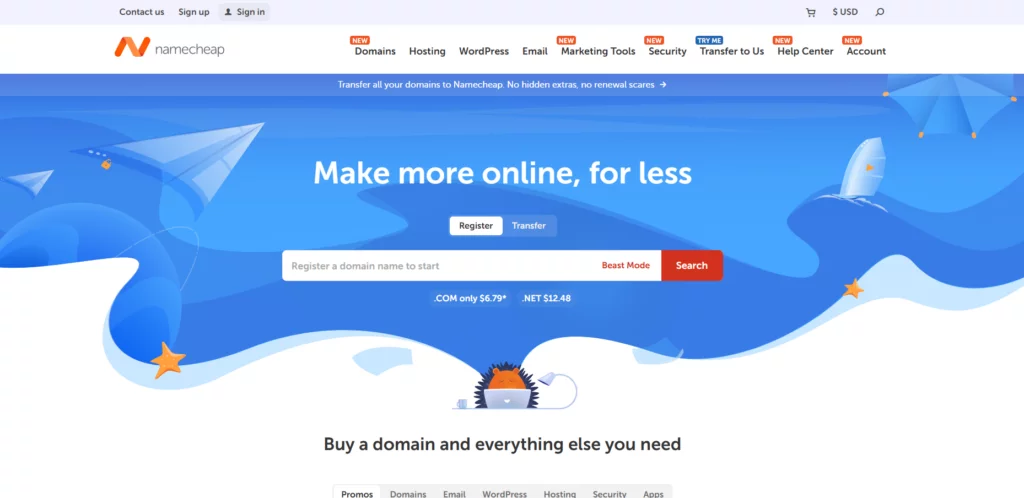
One of the most popular registrars among developers, freelancers, and small website owners thanks to its transparent pricing policy and convenient domain management.
Namecheap stands out for its combination of affordable prices and useful features, many of which competitors offer for an extra fee. For example, the service includes free Whois data protection for most domains. The platform also offers convenient tools for bulk domain management and an API for task automation.
Best for: Freelancers, startups, developers, and owners of small and medium-sized web projects.
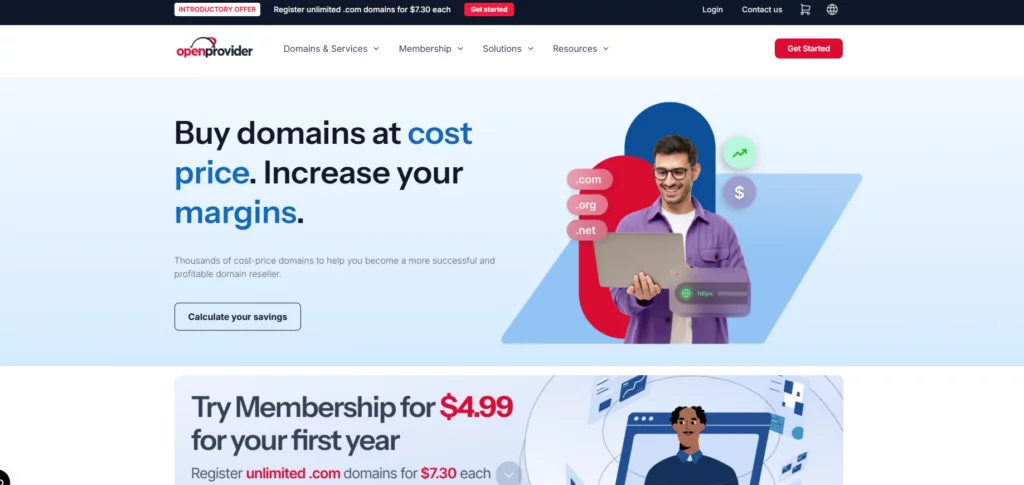
Openprovider is a European registrar and digital asset management platform aimed at agencies, hosting providers, SaaS companies, and owners of large domain portfolios.
Openprovider’s unique selling point is its focus on professional domain management at scale. The platform supports over 1,900 domain extensions, offers a powerful API for process automation, and allows for centralized management of domains, SSL certificates, and other digital assets. For companies with dozens or hundreds of domains, this can significantly simplify administration.
Best for: Digital agencies, resellers, hosting providers, international companies, and organizations with large numbers of domain names.
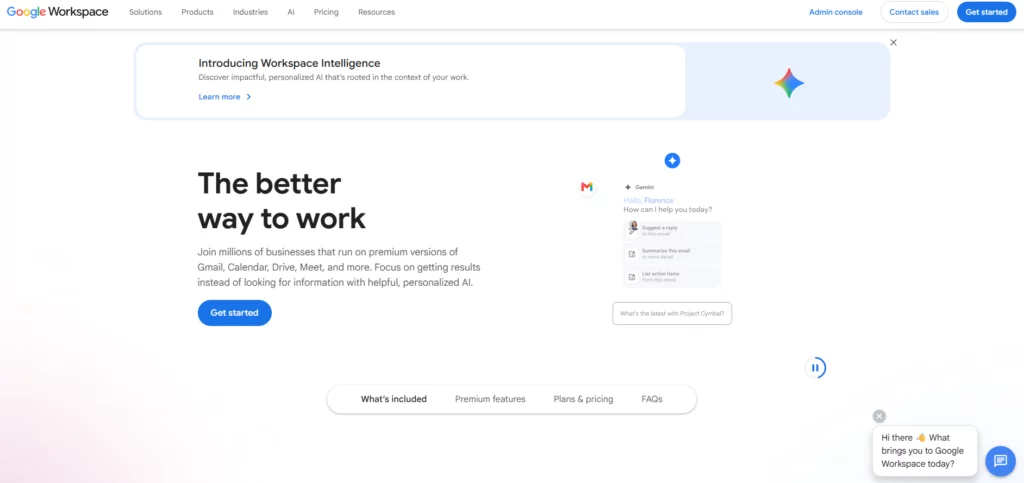
Google Workspace isn’t a traditional domain management service, but many companies use it as a central platform for managing corporate email and domain-related digital infrastructure.
The auto-renewal feature depends on the registrar through which the domain was purchased. Google Workspace itself doesn't charge a separate fee for auto-renewal, but it does require a subscription.
The main advantage of Google Workspace is its tight integration with Google business tools. Administrators can centrally manage users, corporate email, security settings, and associated domains from a single control panel.
Best for: Companies that already use Gmail, Google Drive, Google Meet, and other Google services as their primary work environment.
—
It’s essential to understand that auto-renewal doesn’t guarantee absolute protection against domain loss due to forgotten renewal dates. If the user’s bank card expires or a payment is declined for any reason, the domain may still expire. Therefore, many registrars recommend:
However, automatic renewal services significantly reduce the risk of accidental domain name loss and eliminate the need to manually track registration deadlines. For businesses that depend on the smooth operation of their website, corporate email, and other online services, enabling auto-renewal has long been an essential safeguard to protect their digital assets.
Generally, no. The automatic renewal feature is provided by the registrar that services the domain. If a user wants to use the terms and tools of another registrar, they usually need to first transfer the domain to that provider.
Yes. Automatic renewal reduces the risk of losing a domain, but doesn’t eliminate it completely. If a payment fails due to insufficient funds, an out-of-date bank card, or other payment issues, the domain may expire. Therefore, it’s recommended to use up-to-date payment information and enable additional notifications.
In most cases this is unnecessary. Registrars typically provide an auto-renewal feature free of charge. The user generally only pays for the domain renewal itself, at the registrar’s current rate.
This depends on the registrar and the domain extension. Some services charge funds a few days before the registration expiration date, while others do this several weeks in advance. The exact timing is usually specified in the registrar’s policies.
Yes. Most registrars allow you to turn auto-renewal on or off at any time through your account control panel. Once turned off, the domain will need to be renewed manually.
Want to know more about domain name strategies for your business? Visit it.com Domains blog and follow us on social media.
Continue reading at the it.com Domains blog...
What Is an Automated Domain Renewal Feature and Why Might Your Business Need One?
When you register a domain name, it isn’t acquired in perpetuity. Instead, it is leased for a period determined by the rules of the domain suffix and the registrar (a platform where domain names in your chosen domain extension can be registered). Most domain extensions allow registration for a period ranging from one year to a maximum of ten. If the owner forgets to renew the domain on time, it isn’t deleted immediately. Typically, the process goes like this:
- first, an expiration period, when the domain ceases to function;
- then, a grace period, when the domain can still be restored;
- this is followed by a redemption period, during which restoration is possible for a fee, making the process significantly more costly;
- finally, the domain is removed from the registry and re-listed for sale.
After a domain’s registration expires, the company’s website, corporate email, CRM (Customer Relationship Management) integrations, and other related services may become inaccessible. Furthermore, a vacated (drop) domain can quickly be purchased by another user or domain investor. To make matters worse, popular expired domains may be auctioned off even before they are permanently removed from the registry.
To avoid these outcomes, most registrars now provide automated domain renewal services. These agents automatically track expiration dates, notify owners in advance, and bill for transactions automatically before registration expires. To minimize the risk of losing the domain due to technical hitches or payment issues, renewals typically occur several days or weeks in advance.
In most cases, the service operates the same way across all registrars:
- The user registers a domain with the registrar.
- They enable an auto-renewal service.
- A valid bank card or other payment method is linked to the profile.
- The system automatically renews the domain a few days before the registration expires.
- A notification is sent to the user regarding payment status.
Once activated, the domain is simply renewed at the registrar’s current rate, and funds are automatically debited from the linked payment method. However, the renewal cost may differ from the initial registration price, especially if the domain was purchased in a sale or at a discount. It’s therefore recommended to review the registrar’s current rates before activating auto-renewal.
How to Choose an Automated Domain Renewal Service
Source: Unsplash
In most cases, automatic renewal is a built-in feature of the registrar, so the user doesn't need to look for a separate service to enable it. However, you can register a domain directly through the registry in some domain extensions. In this case, the automatic renewal feature, if available, is configured through the registry account, not the registrar’s. Regardless of where the domain is registered, the operating principle remains the same: after registering a domain, simply log into your registrar’s account control panel, open the settings for the desired domain, and enable the Auto-Renew feature (the name may vary slightly between companies). Typically, you also need to link a valid payment method and, if desired, set up notifications for upcoming renewals.
In practice, choosing a registrar offers convenient automatic renewal terms, a reasonable maintenance fee, and the necessary domain management tools. If necessary, the domain can be transferred to another registrar and use their auto-renew feature.
When choosing a registrar, consider the following aspects:
- Accreditation and reliability. Make sure the registrar is officially accredited to work with the domain extensions you're interested in. It's also worth reviewing customer reviews, the company's history, and its reputation in the market.
- Registration and renewal costs. Compare not just the initial registration price but also the price of renewing the lease. Some registrars offer attractive introductory plans but significantly increase the price upon renewal.
- Automatic renewal terms. Check how the auto-renewal feature works. Pay attention to how many days before expiration the payment is debited, whether notifications can be set up, and whether backup payment methods are available.
- Control panel usability. The interface should be intuitive and allow for quick management of domains, DNS (Domain Name System) records, security settings, and renewal options.
- Technical support. It’s important to choose a service whose support team is available through multiple channels and can promptly assist when domain and payment-related issues arise.
- Account security. Look for two-factor authentication (2FA), notifications about suspicious activity, and additional protection mechanisms against unauthorized domain transfers.
- Domain transfer policy. Review the terms and conditions for transferring a domain to another registrar. Reliable companies don’t create artificial barriers to transfers and are ready to provide an authorization code upon request.
- Support for the required domain extensions. If you expand your scope beyond popular domain extensions to include country-code or specialized TLDs (Top-Level Domains), make sure the registrar supports their registration and automatic renewal.
Examples of Some Registrars That Support Domain Auto-Renewal
Choosing the right platform with automatic renewal feature largely depends on the number of domains, budget, security requirements, and additional services needed.
Below are several well-known platforms that support automatic domain renewals. This list is not intended to be a ranking or exhaustive, as similar features are available with many other accredited registrars. These examples will help you better understand how platforms may differ and which registrar type is best for different needs.
GoDaddy

One of the largest domain name registrars in the world. The company serves millions of customers and offers a wide range of services related to the creation and maintenance of online projects.
GoDaddy’s main advantage is its versatility. Users get access not only to domain registration and renewals, but also to hosting, corporate email, SSL certificates, and other services within a single ecosystem. Furthermore, GoDaddy supports a huge number of domain extensions, making the service convenient for international projects.
Best for: Businesses looking for a single service provider.
Namecheap

One of the most popular registrars among developers, freelancers, and small website owners thanks to its transparent pricing policy and convenient domain management.
Namecheap stands out for its combination of affordable prices and useful features, many of which competitors offer for an extra fee. For example, the service includes free Whois data protection for most domains. The platform also offers convenient tools for bulk domain management and an API for task automation.
Best for: Freelancers, startups, developers, and owners of small and medium-sized web projects.
Openprovider

Openprovider is a European registrar and digital asset management platform aimed at agencies, hosting providers, SaaS companies, and owners of large domain portfolios.
Openprovider’s unique selling point is its focus on professional domain management at scale. The platform supports over 1,900 domain extensions, offers a powerful API for process automation, and allows for centralized management of domains, SSL certificates, and other digital assets. For companies with dozens or hundreds of domains, this can significantly simplify administration.
Best for: Digital agencies, resellers, hosting providers, international companies, and organizations with large numbers of domain names.
Google Workspace

Google Workspace isn’t a traditional domain management service, but many companies use it as a central platform for managing corporate email and domain-related digital infrastructure.
The auto-renewal feature depends on the registrar through which the domain was purchased. Google Workspace itself doesn't charge a separate fee for auto-renewal, but it does require a subscription.
The main advantage of Google Workspace is its tight integration with Google business tools. Administrators can centrally manage users, corporate email, security settings, and associated domains from a single control panel.
Best for: Companies that already use Gmail, Google Drive, Google Meet, and other Google services as their primary work environment.
—
It’s essential to understand that auto-renewal doesn’t guarantee absolute protection against domain loss due to forgotten renewal dates. If the user’s bank card expires or a payment is declined for any reason, the domain may still expire. Therefore, many registrars recommend:
- adding a backup payment method;
- enabling SMS and email notifications;
- using two-factor authentication;
- and registering important domains for several years in advance.
However, automatic renewal services significantly reduce the risk of accidental domain name loss and eliminate the need to manually track registration deadlines. For businesses that depend on the smooth operation of their website, corporate email, and other online services, enabling auto-renewal has long been an essential safeguard to protect their digital assets.
FAQs
Can I use automatic renewal from one registrar if my domain is registered with another?
Generally, no. The automatic renewal feature is provided by the registrar that services the domain. If a user wants to use the terms and tools of another registrar, they usually need to first transfer the domain to that provider.
Can I still lose a domain if automatic renewal is enabled?
Yes. Automatic renewal reduces the risk of losing a domain, but doesn’t eliminate it completely. If a payment fails due to insufficient funds, an out-of-date bank card, or other payment issues, the domain may expire. Therefore, it’s recommended to use up-to-date payment information and enable additional notifications.
Do I need to pay separately for an automatic domain renewal service?
In most cases this is unnecessary. Registrars typically provide an auto-renewal feature free of charge. The user generally only pays for the domain renewal itself, at the registrar’s current rate.
How long before the registration expiration date does the renewal process begin?
This depends on the registrar and the domain extension. Some services charge funds a few days before the registration expiration date, while others do this several weeks in advance. The exact timing is usually specified in the registrar’s policies.
Can I turn off automatic renewal?
Yes. Most registrars allow you to turn auto-renewal on or off at any time through your account control panel. Once turned off, the domain will need to be renewed manually.
Want to know more about domain name strategies for your business? Visit it.com Domains blog and follow us on social media.
Continue reading at the it.com Domains blog...

